
A vehicle problem can turn an ordinary drive into a stressful situation within minutes. A flat tire, dead battery, collision, or mechanical failure may leave a car unable to continue safely. In those moments, knowing what to do first can make the situation easier to manage.
For drivers in Houston, TX, and nearby communities such as Cloverleaf, understanding how towing works and when to request professional assistance is useful before an emergency happens. The right decision depends on the condition of the vehicle, where it has stopped, and whether it can be moved safely.
This guide explains the practical steps drivers should consider when a vehicle becomes disabled and how towing fits into a broader roadside assistance plan.
What Should You Do When Your Vehicle Breaks Down?
The first priority is safety. If your vehicle develops a problem while driving, try to move it away from moving traffic if doing so is possible without putting yourself or others at risk.
Once stopped, consider these steps:
- Turn on your hazard lights so approaching drivers can see that your vehicle is disabled.
- Stay aware of surrounding traffic, particularly on busy roads or highways.
- Avoid attempting repairs in an unsafe location.
- Determine whether the problem is minor or prevents the vehicle from being driven.
- Contact an appropriate roadside or towing provider when the vehicle cannot safely continue.
It is not always obvious whether a car should be driven to a repair shop. A warning light, unusual noise, damaged tire, fluid leak, collision damage, or severe mechanical problem can make continued driving risky.
When there is doubt about whether the vehicle is safe to operate, professional assistance is generally the safer choice.
When Is Towing Better Than Roadside Assistance?
Roadside assistance can address some problems without transporting the vehicle. A jump start, tire service, fuel delivery, or lockout service may be enough to get a driver moving again.
Towing becomes more appropriate when the vehicle cannot be safely driven or when the problem requires attention at another location.
Common situations that may require a tow include:
- A vehicle that will not start after a battery-related issue has been addressed
- Significant mechanical failure
- Collision damage
- A severely damaged or unusable tire
- A vehicle stuck where it cannot safely move under its own power
- A car that should not be driven until it has been inspected
- A disabled vehicle that needs to reach a repair facility
The important distinction is simple: roadside assistance may resolve a particular problem at the roadside, while towing provides transportation for a vehicle that needs to be moved.
How Tire Problems Can Change the Situation
Tires are one of the most common reasons drivers find themselves dealing with an unexpected roadside problem. A puncture or flat tire does not always mean the vehicle needs to be towed, but driving on a damaged tire can create additional problems.
Before deciding what to do, consider the circumstances.
If the vehicle is in a safe location and the tire can be changed safely, a tire service may solve the immediate problem. However, the situation is different when the vehicle is stopped on a busy road, the tire or wheel has serious damage, or the driver does not have the proper equipment.
In those cases, attempting a roadside tire repair may create unnecessary risk.
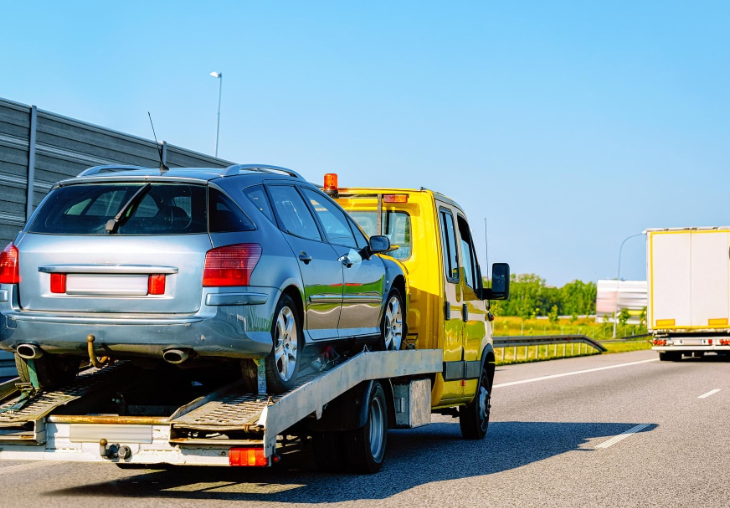
Professional Towing Services Houston TX can be useful when a tire problem leaves the vehicle unsafe to drive or when the vehicle needs to be transported rather than repaired where it stopped.
The condition of the wheel, tire, vehicle, and roadside environment should all be considered before continuing the journey.
What If the Breakdown Happens at Night?
A vehicle problem after dark can be more difficult because visibility is reduced and approaching traffic may have less time to recognize a disabled vehicle.
Drivers should focus on making their location as visible as reasonably possible while avoiding unnecessary exposure to traffic.
If the vehicle cannot be moved to a safe location, it may be better to remain in a secure position and request professional help rather than trying to diagnose or repair a serious problem beside the roadway.
This is especially important when the vehicle is stopped close to active traffic lanes. A small mechanical issue is not worth creating a larger safety problem.
What Information Should You Give a Towing Provider?
Having accurate information ready can make it easier for a towing provider to understand the situation.
Useful details include:
- Your current location
- The nearest cross street or recognizable landmark
- The vehicle’s make and model
- The type of problem
- Whether the vehicle can start
- Whether the vehicle can roll or move
- Whether there is collision damage
- Whether the vehicle is in a safe or dangerous position
- Your intended destination, if known
If the vehicle is on a highway or another difficult-to-access road, describing the direction of travel and nearby landmarks can also help identify the location.
You do not need to diagnose the mechanical problem yourself. A simple description such as “the engine will not start” or “the front tire is damaged” can be more useful than guessing at a technical cause.
What Makes an Emergency Towing Situation Different?
Not every towing request is an emergency. Some drivers arrange transportation for a vehicle that is already parked safely, while others need immediate assistance because their vehicle has become disabled in a dangerous location.
An emergency situation may involve a vehicle that has stopped in or near moving traffic, a collision, a sudden breakdown in an unsafe area, or another circumstance where remaining at the location creates a significant concern.
When the situation is urgent, Emergency Towing Services Houston TX may be appropriate for helping remove a disabled vehicle from an unsafe roadside situation.
Drivers should still contact emergency services when there is an injury, immediate danger, fire, or other situation requiring police, fire, or medical assistance. Towing assistance is not a substitute for emergency responders.
Things Drivers Often Overlook During a Breakdown
The mechanical problem usually gets all the attention, but several practical details are easy to overlook.
Your exact location matters
A towing provider needs to know where the vehicle is. A street name alone may not always be enough, especially on a long road.
Look for:
- Cross streets
- Exit numbers
- Business signs
- Mile markers
- Nearby intersections
- Clearly identifiable landmarks
If your phone provides a location that you can safely share, that may also help communicate where the vehicle is positioned.
The vehicle’s condition matters
Tell the provider if the vehicle has collision damage, a locked steering wheel, a damaged wheel, or another condition that could affect how it needs to be moved.
A car that rolls normally can present a different towing situation from one with severe wheel or suspension damage.
Your surroundings matter too
Think about traffic, visibility, weather, and the position of the vehicle. These details help determine whether waiting inside or near the vehicle is appropriate and whether additional emergency assistance is needed.
How Can Houston Drivers Prepare Before a Roadside Emergency?
Preparation does not prevent every breakdown, but it can reduce confusion when something goes wrong.
A useful emergency kit may include:
- A phone charger or power bank
- A flashlight
- Basic vehicle documentation
- Drinking water
- Reflective safety equipment
- Tire-pressure information
- A properly inflated spare tire, when the vehicle is designed to carry one
Drivers should also know where their vehicle’s hazard-light controls, spare tire, jack, and emergency equipment are located before they need them.
It is worth checking tire pressure and tire condition regularly as well. A tire that appears fine from a distance can still have low pressure or visible wear.
What Should You Avoid Doing?
A breakdown can create pressure to solve the problem immediately, but rushing can make the situation more dangerous.
Avoid:
- Standing unnecessarily close to moving traffic
- Attempting complicated repairs beside a busy roadway
- Driving a vehicle with obvious serious damage
- Continuing to drive on a severely damaged tire
- Guessing about a mechanical issue and making it worse
- Ignoring warning signs simply because the vehicle still moves
- Leaving the vehicle in a dangerous position when it can safely be moved
If you are unsure whether a vehicle can continue safely, professional assistance can help remove the uncertainty.
What Does This Look Like in Practice?
Consider a driver traveling through the Houston area who suddenly experiences a flat tire. If the vehicle can be stopped safely away from traffic and the driver has the appropriate equipment, a tire service may resolve the immediate issue.
Now consider a different situation: the tire is badly damaged, the wheel is affected, or the vehicle has stopped close to fast-moving traffic. The priority changes. Rather than attempting a repair in a hazardous location, the driver may need professional roadside or towing assistance.
The same principle applies after a collision. Even if a vehicle appears capable of moving, damage underneath the vehicle may not be obvious. Having it professionally assessed before continuing can be a safer choice.
These situations show why there is no single answer for every breakdown. Location, vehicle condition, and safety should guide the decision.
What Should You Look for in a Local Towing Provider?
When choosing a towing provider, look for clear information about the services offered and whether the provider serves your area.
It can also help to ask:
- What type of towing is available for your vehicle?
- Is roadside assistance available?
- Can the provider handle tire-related problems?
- Where can the vehicle be transported?
- What information does the driver need to provide?
- Are there additional circumstances that could affect the service?
Clear communication is valuable during a stressful roadside situation. A provider that understands the vehicle’s condition and location can better determine what type of assistance is appropriate.
For drivers in Houston and Cloverleaf, having a local towing option saved in a phone before an emergency occurs can also save time when a breakdown happens unexpectedly.
Frequently Asked Questions
Can a flat tire require towing?
Yes. A flat tire may be handled with a tire change when conditions are safe and the vehicle has the appropriate equipment. If the tire, wheel, or vehicle is damaged or the location is unsafe, towing may be a more suitable option.
Should I drive my car after a breakdown?
Only if the vehicle appears safe to operate and the problem does not indicate a serious mechanical or safety issue. When there is significant damage, an unusual mechanical problem, or uncertainty about the vehicle’s condition, professional assistance is a safer option.
What information should I provide when requesting a tow?
Provide your location, vehicle details, the problem you are experiencing, whether the vehicle starts or moves, and any visible damage. Mention if the vehicle is in a dangerous position or close to active traffic.
Is towing the same as roadside assistance?
No. Roadside assistance can include services such as tire changes, jump starts, or fuel delivery. Towing involves transporting a vehicle when it cannot or should not continue under its own power.
What should I do if my vehicle breaks down near traffic?
Turn on your hazard lights and prioritize getting yourself and others out of danger. Avoid standing in traffic or attempting repairs in an unsafe location. If the situation presents an immediate danger or involves injuries, contact the appropriate emergency services.
A Safer Approach to Vehicle Breakdowns
A roadside breakdown is much easier to manage when drivers focus on the right priorities: safety first, accurate information second, and vehicle recovery third.
Not every problem requires a tow, but not every disabled vehicle should be driven to a repair shop either. Understanding the difference between a minor roadside issue and a situation that requires vehicle transportation can help drivers make better decisions.
For people traveling around Houston and Cloverleaf, preparing ahead of time, knowing their vehicle’s condition, and having access to a dependable local towing provider can make an unexpected breakdown far less stressful.